Skip to main content Skip to footer

Welcome!

If you’re thinking about starting Road Racing—or you’ve just decided to take the plunge— or a returning rider this is exactly where you need to be.


This section is designed for new riders, novices, and anyone returning. Here you’ll find clear, honest information about:


  • What Road Racing involves and what to expect as a newcomer

  • The first steps, including the Competitor Training Course (CTC) and Basic Rider Assessment (BRA)

  • Licence grades, starting as a Novice and how you can progress

  • Your riding experience, track days, and how to know if you’re ready to get on circuit

  • Returning after a break, and what’s required to get back on track 


You can click on the headings below to expand the details and find out more.

Well that depends on you. If you have been around racing for a while then you may already know the basics and you just need to find a club to get the essentials– that’s great! You can skip to the “So How do I get a Licence?” section.

For others however, racing is a big step into the unknown. Maybe something that you may have decided to do as a natural progression of road riding & track days? Maybe you are an ex Motocross rider looking to move on to the tarmac? Or maybe you have not passed your road test but you have ridden pit bikes looking to get into getting on big tracks? Whatever the case, before you go any further here are a few questions……….

Welcome to Your First Steps in Road Racing

Getting started in Road Racing is exciting, and we’re here to make your first steps as smooth and enjoyable as possible.

Before you can receive your ACU Road Race Competition Licence, there are two introductory requirements designed to help you feel confident, prepared, and safe on track.


Competitor Training Course (CTC)

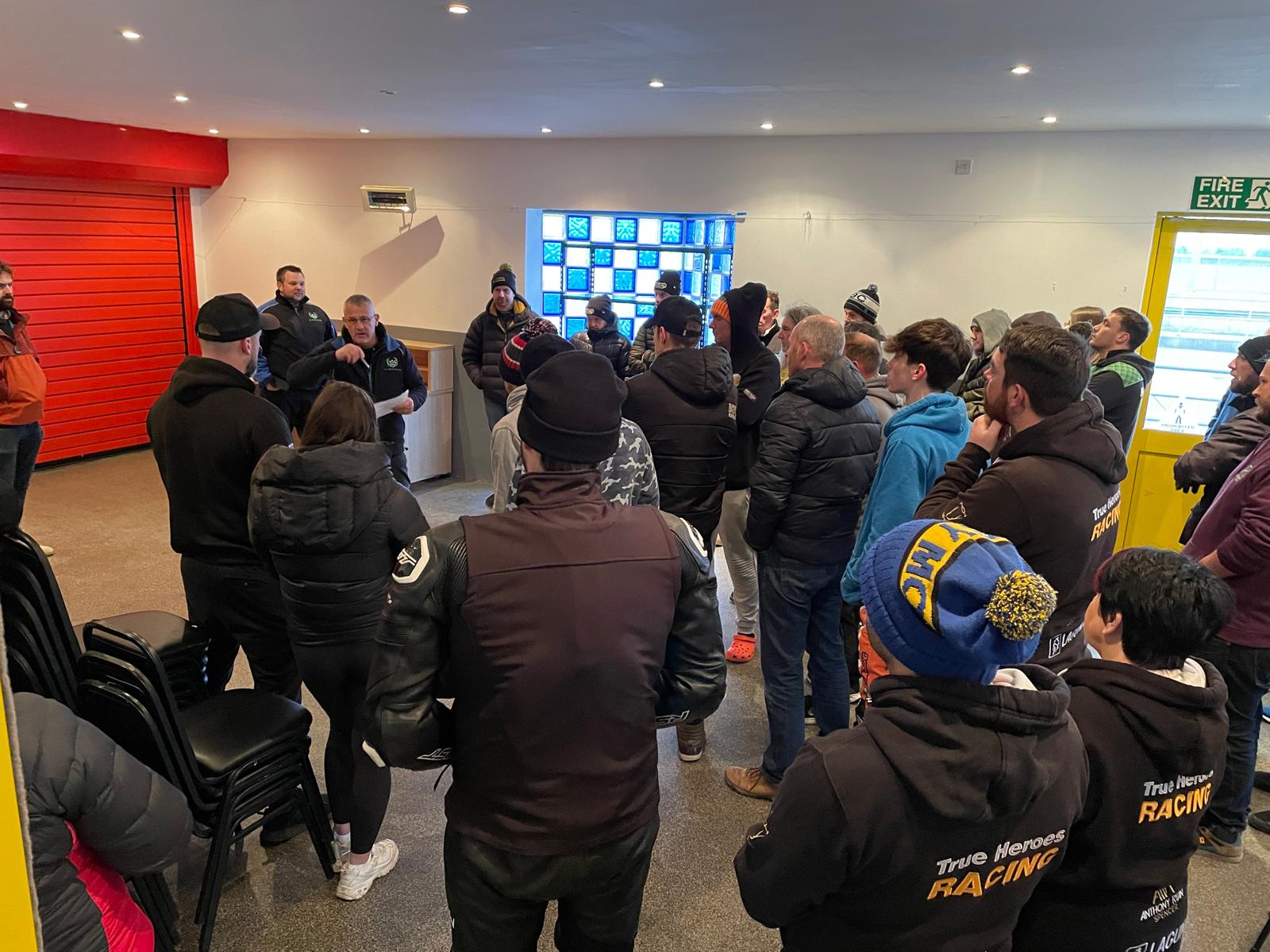
The CTC is a classroom-based session that introduces you to the essential rules of the sport and the safety procedures you’ll use throughout your racing journey.

You’ll learn about race flags, track etiquette, and key processes so you know exactly what to expect when you line up for your first event.


Basic Rider Assessment (BRA)

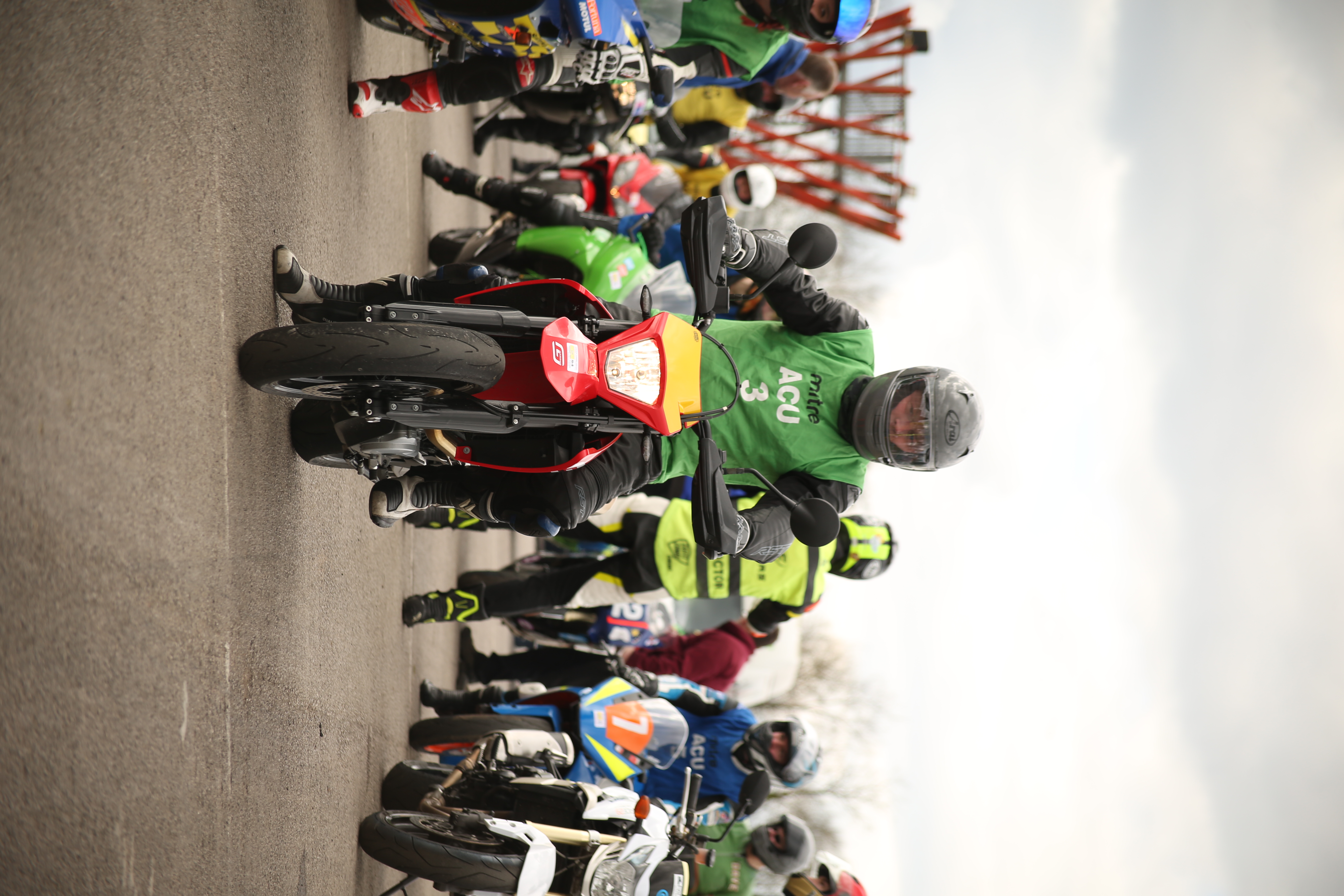
The BRA is your chance to show that you can control a motorcycle safely and responsibly on track.

You don’t need a full race-prepped bike — any safe, roadworthy motorcycle is fine.

The assessment includes both on- and off-track riding, plus a full practice race start, which is often the most nerve‑wracking part for new riders. By the end, you’ll have a solid foundation for your first race day.

Both the CTC and BRA can be completed on the same day or separately, and they’re held at various venues across the country throughout the year.


What Licence Grade Will You Start With?

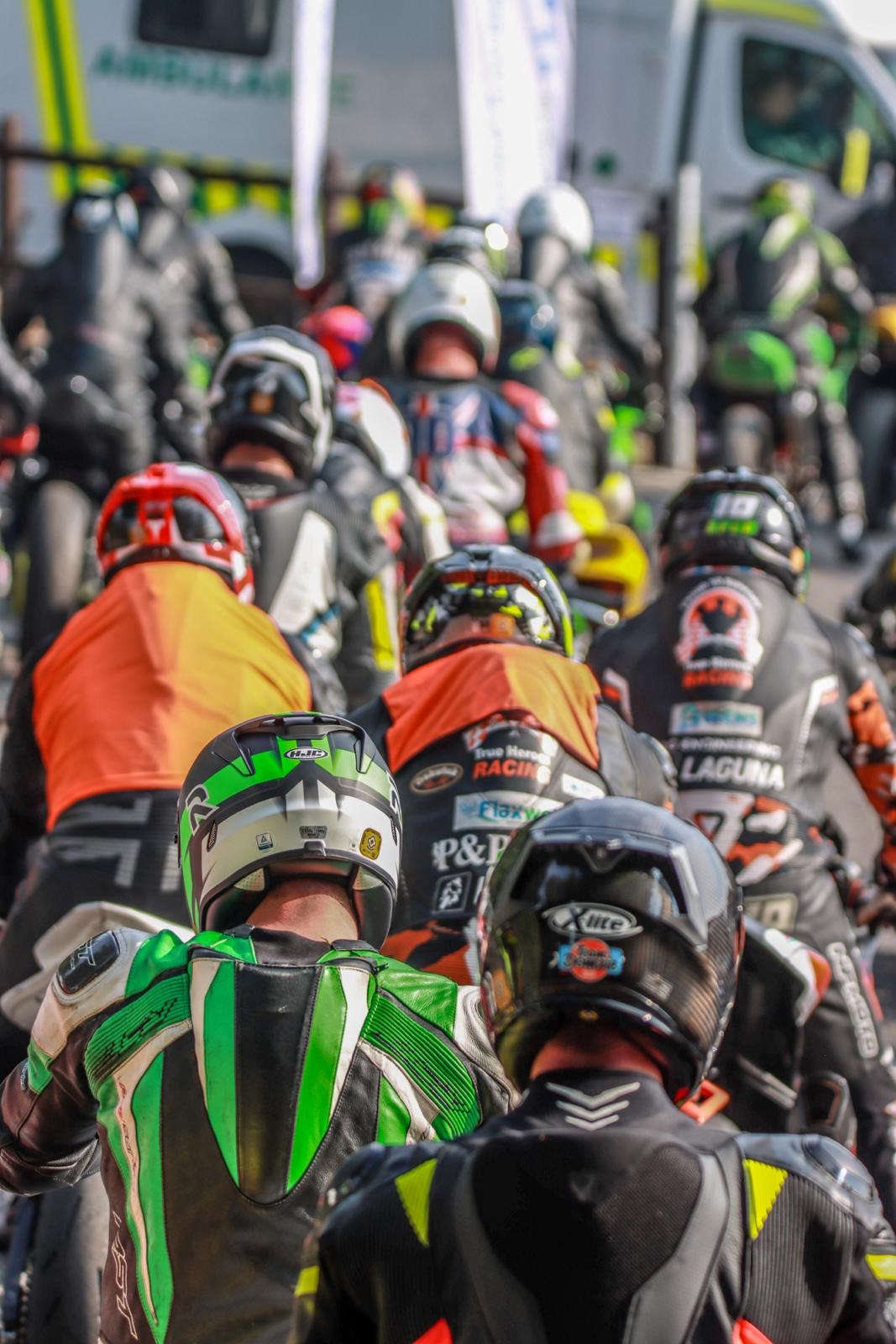
Once you’ve completed both courses, you’ll begin as a Novice and will wear an orange vest for your first ten meetings at three different venues.

After that, you can progress to Clubman and eventually National grades as your skills and results develop.


Returning After a Break?

If you’ve been away from racing for more than five years, here’s what you’ll need to do:

Novice & Intermediate Novice Riders

If your licence has lapsed for over five years, you’ll need to retake both the CTC and BRA before returning to competition at Novice level.

Clubman, National & International Riders

If you previously held one of these higher-grade licences and it has lapsed for more than five years, you’ll need to complete the CTC before returning at Clubman grade — as long as you can show proof of your previous licence or race results.


If not, you’ll follow the same steps as a lapsed Novice rider.


Maybe you want to sharpen your riding skills, enjoy track time with friends, or aim for something bigger like racing in BSB, competing internationally, or even taking on the Isle of Man. Whatever your goal, the most important thing is understanding what you’re stepping into. Knowing your current skill level — and what you hope to achieve — helps you set realistic expectations, make steady progress, and ultimately enjoy your racing so much more.


Where you are right now with your riding, and where you want to go, will guide the next steps. And if you’re unsure, just give us a call. Starting with the right intentions makes a huge difference, and it will help you get the very best out of your racing journey!

Starting Road Racing isn’t just about speed — it’s about preparation, awareness, and knowing what you’re getting into. Ask yourself a few key questions:

  • What riding experience do I already have? Have you spent years on the road, or are you fairly new to motorcycling? Both are fine — but knowing your baseline helps shape your next steps.

  • Am I ready to start on track? Track riding is very different from road riding. It’s controlled, structured, and focused — but it can also be intense. Understanding your comfort level with higher speeds, close proximity to other riders, and quick decision‑making is important.

  • Do I have any track day experience? Track days aren’t mandatory before starting Road Racing, but they’re incredibly helpful. They give you a feel for riding at pace, understanding lines, braking points, and how your bike behaves when pushed. Even a couple of track days can make your first race weekend feel far less overwhelming.

As well as your licence it is important to make sure you have the right equipment. 

Every rider begins with one essential item: an ACU‑approved helmet.


Equipment Checklist

Use this checklist to make sure you have everything you need before your first practice or race day.

ACU Apporved Helmet

✔ ACU‑approved with current, legitimate Gold Stamp
✔ Correct fit — snug but comfortable
✔ No cracks, damage, or dropped helmets
✔ Best quality you can afford


One‑Piece Leather Suit

✔ One‑piece only — two‑piece suits are not allowed
✔ Minimum 1.2mm leather thickness everywhere
✔ No damage, tears, or worn stitching
✔ If using non‑leather material, it must match strict safety standards (abrasion resistance, fire‑retardant, non‑melting)


Impact Padding

Your suit must have proper protection armor in:
✔ Shoulders
✔ Elbows
✔ Knees
✔ Hips
✔ Both sides of the torso
✔ Back of the torso


Racing Boots

✔ Leather or approved material
✔ Minimum height 200mm
✔ No skin visible between boots and suit
✔ Strong ankle protection


Racing Gloves

✔ Armored leather gloves only
✔ Long enough to overlap your suit
✔ No skin visible between glove and sleeve
✔ Good wrist and knuckle protection


Prohibited Materials

✘ No materials that can spark when sliding
✘ No melting fabrics
✘ No exposed skin anywhere


Identification Disc

✔ Must be worn around the neck during practice and racing

✔ Attached using approved material (avoid thin chains)

✔ Must be permanently marked with:

  • Full name

  • Date of birth

✔ Disc must be:

  • Circular

  • 20–25mm in diameter

  • Durable material

Rounded edges with no sharp projections


Orange Vest (Novice Licence only)

✔ Must be worn for all on track activity including Test Days


Why we use cookies

Our site enables script (e.g. cookies) that is able to read, store, and write information on your browser and in your device. The information processed by this script includes data relating to you which may include personal identifiers (e.g. IP address and session details) and browsing activity. We use this information for various purposes - e.g. to deliver content, maintain security, enable user choice, improve our sites, and for marketing purposes.